
Architecture of Meaning is a seven-season essay matrix that unfolds alongside the documentary project A Tale of a New Era. Where the film traces how history moves like a story — rising, breaking, and resolving across millennia — the essays slow the motion down and examine the structures that make that movement intelligible. Each season mirrors its documentary counterpart, offering a second lens on the same underlying hypothesis: that human history, individual lives, and language itself follow a shared dramatic architecture.
Across the seven clusters, the essays explore how meaning forms, shifts, disintegrates and reorganises. They examine mechanisms of time, the narrative logic embedded in language, the reflective power of scripture, the structural meaning of benefit, the impact of revelation, the return of structure as a visible agent, and the emergence of a new era in which meaning is understood as shared architecture rather than private interpretation.
Together, the essays and the film create a dual movement: the cinematic arc shows how history feels from the inside, while the essay matrix reveals the deeper principles shaping that experience. This project asks: what if humanity’s story becomes clear only when we look at it simultaneously from within the movement and from the structure that carries it?
I Mechanism of Movement

The first essay season runs alongside History on a Story Arc and examines how historical movement becomes intelligible when its pace is slowed. It traces the deep mechanisms that arrange experience into arcs — how tension accumulates, why turning points occur, and how eras converge into recognisable forms. It explores the structural forces beneath events that give change its rhythm, direction and inevitability. This season asks: what if history moves the way it does not because of events themselves, but because of the structure that makes events move?
II Language as Stage

Language does not merely label — it stages.
The second essay season runs alongside Realm of Language and treats language itself as a dramatic machine. It explores how words create roles, conflicts and resolutions; how pronouns, tenses and metaphors distribute agency; and how different linguistic worlds script different kinds of selves. This season asks: what if every sentence we speak is already a tiny play in which meaning appears as a negotiated performance?
III Script as Reflection
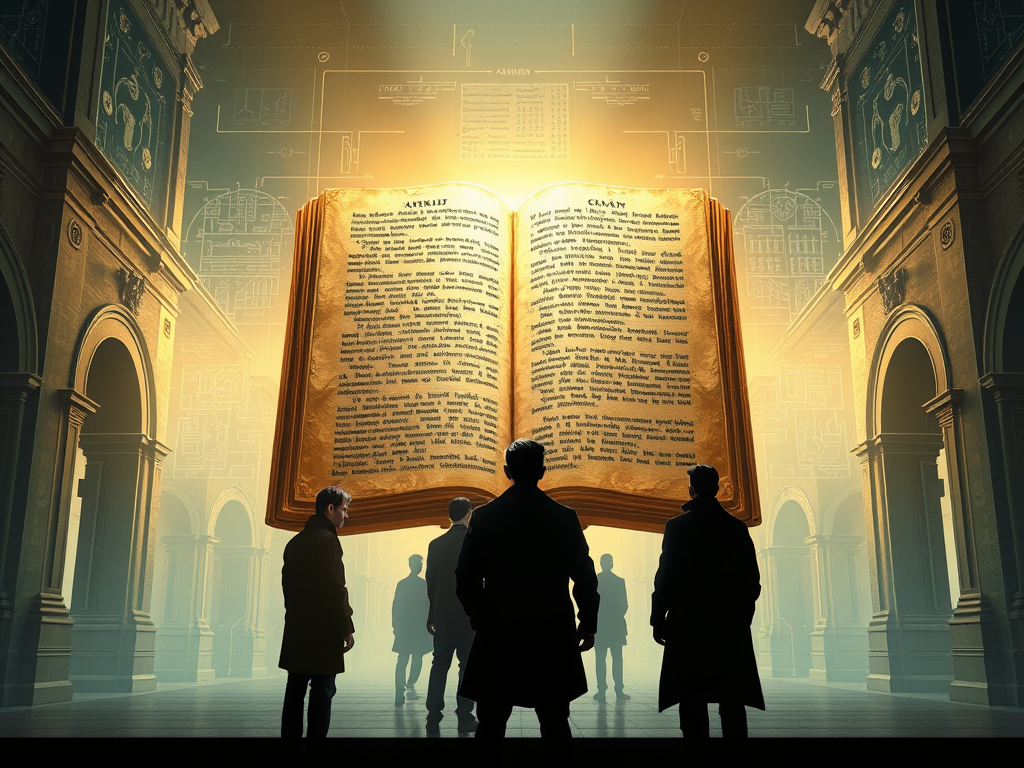
How texts become mirrors — and how cultures recognise themselves in what they read.
Parallel to Portray of a Scripture, this season examines how writing, canon and commentary turn texts into mirrors for the communities that venerate them. It looks at law codes, scriptures and modern manifestos as devices that both stabilise and destabilise identity, and at how interpretation becomes a stage on which a culture recognises itself. This season asks: what if the true “portrait” of humanity is not an image, but the way we organise our reading of sacred words?
IV Alignment as Revelation
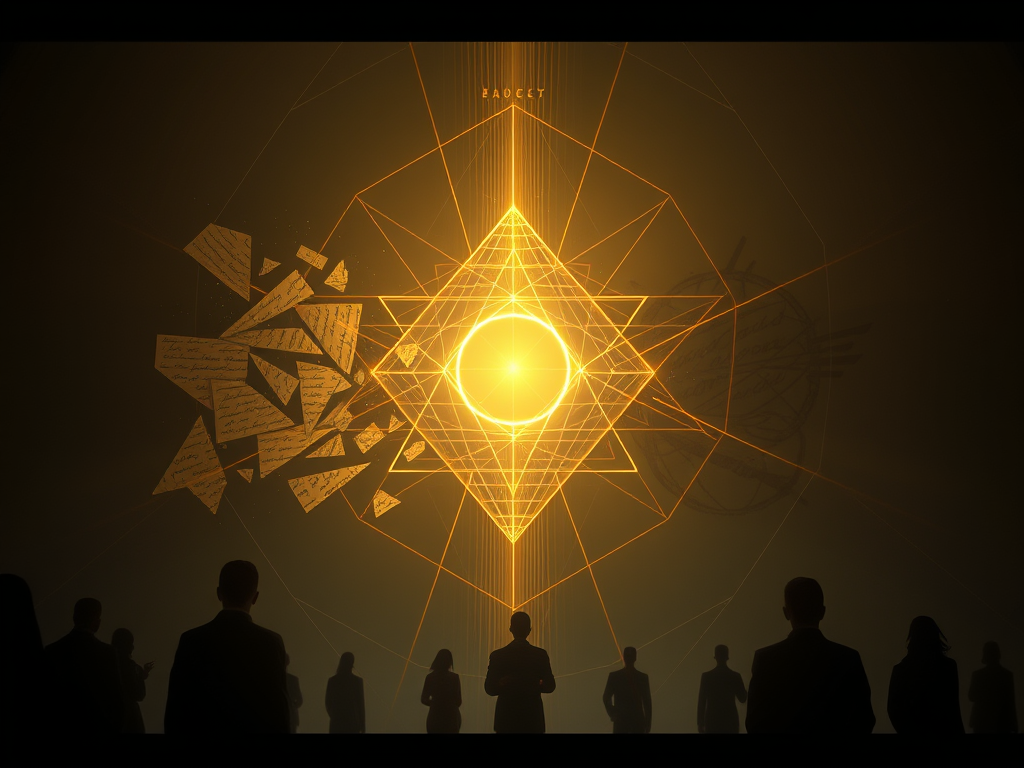
How the disclosure of structure dissolves the ancient conflict of “good” and “evil.”
Parallel to Bringer of Benefit, this season explores how the revelation of underlying structure transforms the world’s foundational struggle from a moral battle into a question of alignment. It examines how dualities such as “good” and “evil” emerge from linguistic and narrative frameworks, and how these tensions resolve once the form beneath them becomes visible. This season asks: what if the conflict that shaped human history ends the moment its structure is recognised?
Revelation as Reorientation
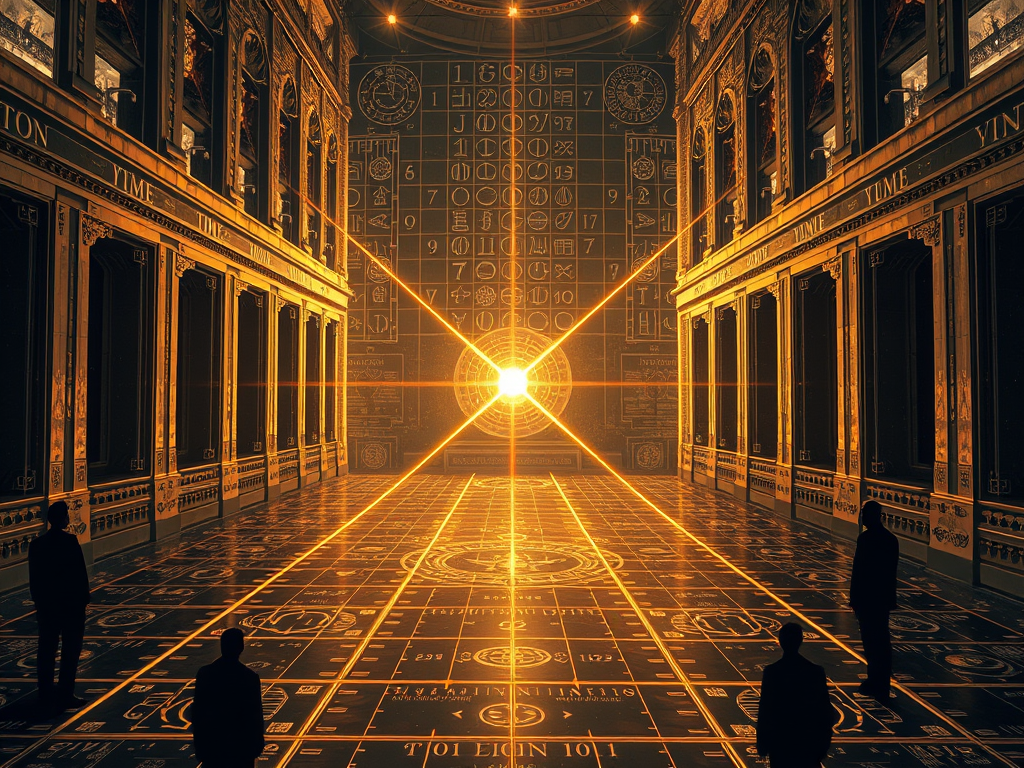
Revelation does not only inform — it reorients.
In dialogue with Impact of Revelation, these essays treat revelation as a change in the coordinate system, not just in content. They trace how great revelations — religious, scientific, political — bend the arc of expectation, redraw insiders and outsiders, and reorder time into “before” and “after.” This season asks: what if the beginning of our calendar marks less a theological claim than a structural shift in how humanity understands its own story?
VI Return as Recognition

How the long-expected “return” becomes the story recognising its own form.
Alongside Return of the Liberator, Season Six explores what happens when structure itself becomes the main character. It follows how narrative theory, systems thinking and now AI make the hidden scaffolding of stories increasingly visible, and how this exposure both liberates and unsettles. This season asks: what if the long-expected “return” is not a figure at all, but the story finally recognising its own form?
VII Meaning as Habitat
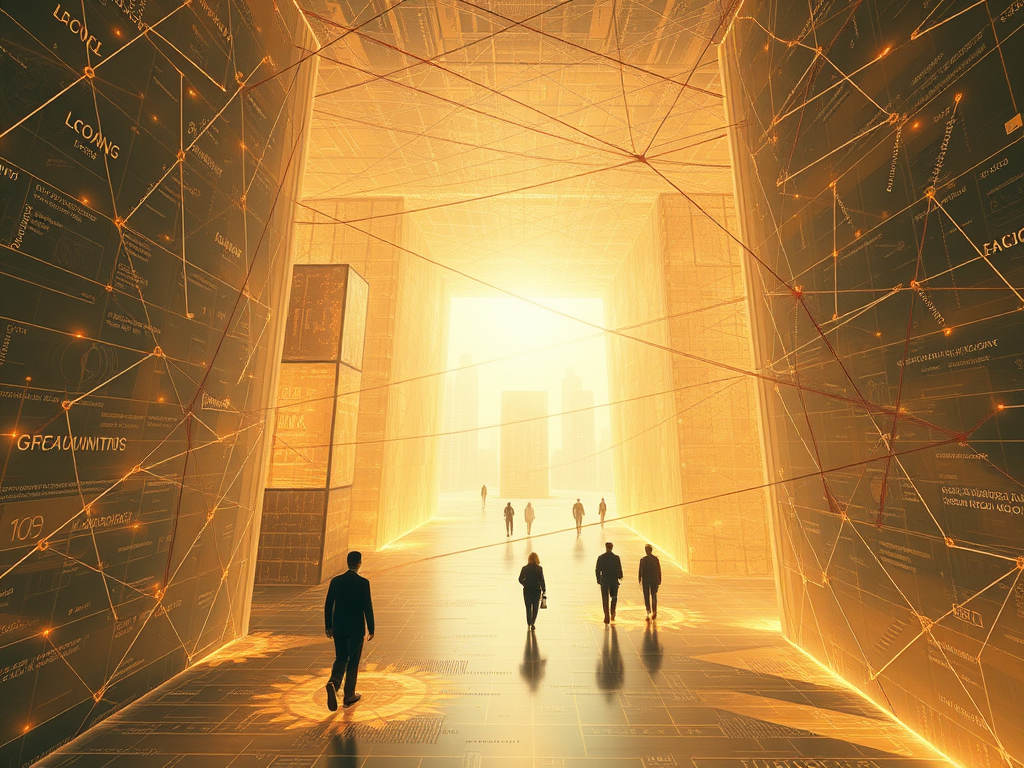
How life changes when meaning becomes shared architecture rather than private property.
In parallel with The Invisible City, the final essay season imagines what comes after structure becomes self-aware. It speculates about forms of life, community and technology that treat meaning as shared architecture rather than private possession or top-down decree. This season asks: what if the New Era of Meaning is not a utopian place we build, but a grammar of relation we slowly learn to live inside?
 laurentiuspaulus